



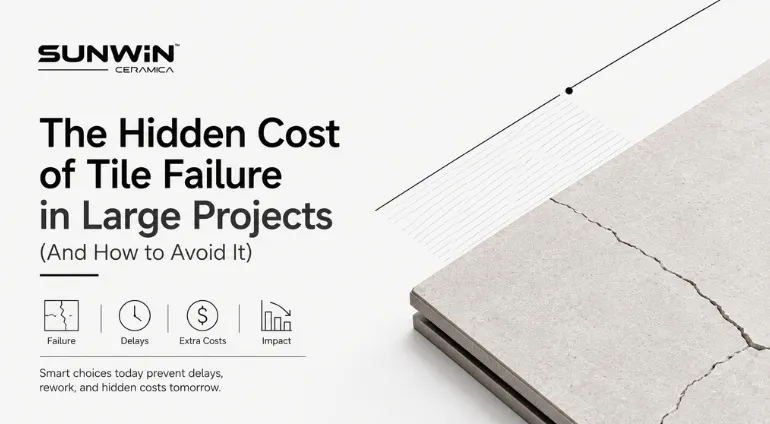
When people think about tile problems, they usually imagine a few cracked pieces or minor repairs. In smaller spaces, that might be true. But in large commercial or residential projects, tile failure becomes much bigger than a surface issue.
A small problem in one section can quickly turn into delays, rework, extra labour costs, and serious pressure on the entire project timeline. What makes it worse is that most of these issues don’t appear immediately. Everything often looks perfectly fine during installation.
The real trouble starts later.
Cracks begin to appear. Tiles from replacement batches don’t match. Shipments arrive late. Contractors pause work while waiting for new material. Suddenly, what looked like a simple flooring decision starts affecting budgets, deadlines, and even client trust.
That’s why experienced buyers no longer judge tiles only by design or pricing. They pay closer attention to long-term reliability.
The True Cost of Tile Failure Goes Beyond the Tiles
In large commercial and residential developments, flooring issues rarely affect just one area. A single defect can trigger delays across multiple trades, increase labour expenses, and require additional coordination between contractors, suppliers, and project managers.
For this reason, experienced developers increasingly view tile selection as a risk-management decision rather than simply a procurement exercise.
The Biggest Tile Problems Don’t Show Up on Day One
Tile failure rarely happens because of one major mistake. Most of the time, it builds slowly through smaller issues that were ignored early in the sourcing process.
At first, everything feels under control. Samples look good. Pricing fits the budget. Production timelines sound reasonable. But once installation begins across large areas, even small inconsistencies become visible very quickly.
And in large projects, fixing one problem often creates three more.
The Small Mistakes That Turn Into Massive Project Costs
Before understanding how to avoid tile failure, it helps to look at the problems that commonly create expensive setbacks.
One Small Crack Can Trigger a Chain Reaction
Cracked tiles are one of the most common problems in large projects. Sometimes the issue comes from poor manufacturing quality. Other times, the tile simply wasn’t suitable for the environment where it was installed.
At first, only a few tiles may show damage. But in large spaces, those cracks become impossible to ignore.
The real cost is not just replacing the damaged tile. It also includes labour, removal, reinstallation, and disruption to ongoing work.
The Fastest Way to Ruin a Premium-Looking Space
Shade variation is another problem buyers often underestimate.
Tiles from different production batches may carry slight colour or texture differences. On a small wall, that may not stand out much. But across hotel lobbies, office floors, or residential towers, uneven shades become immediately noticeable.
And once the tiles are installed, replacing them becomes difficult without disturbing surrounding sections.
The “Simple Replacement” That Ends Up Costing Weeks
Many people assume replacing tiles is simple. In reality, it becomes complicated very quickly.
Replacement stock may not be available immediately. In imported orders, buyers may even need to reorder containers or wait for the next production cycle.
This creates:
- Additional shipping costs
- Project delays
- Contractor rescheduling
- Storage complications
- Extra handling expenses
In many cases, the hidden operational cost becomes much larger than the original tile cost itself.
When Tile Delays Start Slowing Down the Entire Project
Tiles sit in the middle of many construction schedules. When flooring slows down, everything around it gets delayed too.
Contractors may need to stop work temporarily. Interior finishing gets pushed back. Labour teams require rescheduling.
In large developments, even short delays can create financial pressure because multiple teams depend on the same timeline.
That’s why reliable supply becomes just as important as product quality.
Why the Wrong Supplier Becomes an Expensive Decision Later
A lot of tile problems actually begin before manufacturing even starts.
Many buyers focus heavily on getting lower prices, but they don’t evaluate how consistent or reliable the supplier really is. That decision usually comes back later through shipment issues, mismatched batches, or communication gaps.
Experienced suppliers understand that large projects require more than attractive samples. They know consistency matters across every shipment, every pallet, and every batch.
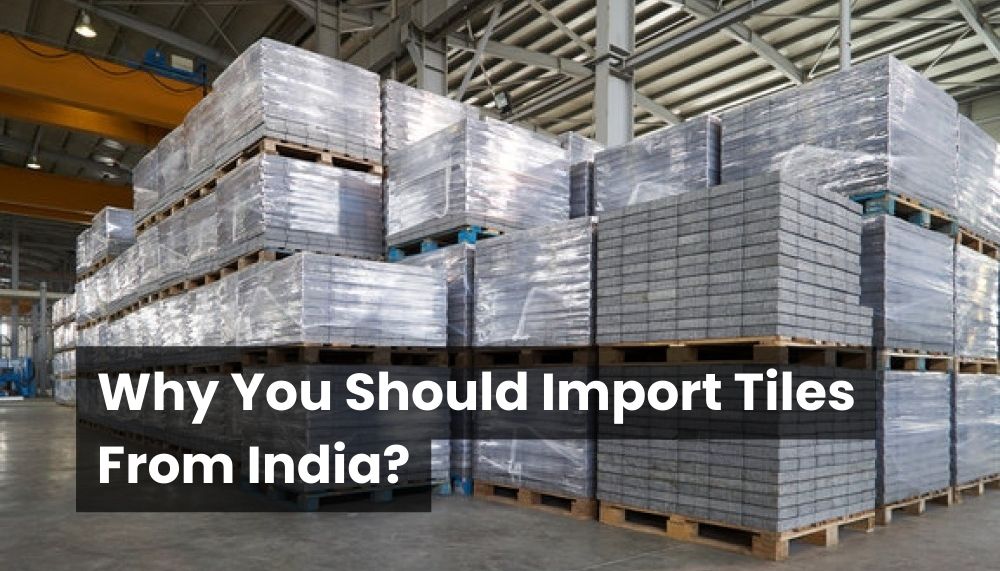
They also understand packaging, export handling, container loading, and quality checks much better.
This is one reason many large buyers evaluate companies like Sunwin Ceramica based not only on product design, but also on their ability to maintain consistency and support long-term supply requirements.
Because in large-scale projects, reliability becomes part of the product itself.
In Large Projects, Reliability Is Worth More Than Savings
Tile failure in large projects is rarely just about broken pieces. Real harm comes from delays, replacements, rework, and disruptions that mess up the whole project timeline.
Wise buyers now check more than just price and design. They look at consistency, logistics, communication, and long-term reliability too.
Using a reliable supplier like Sunwin Ceramica reduces these issues, making big projects smoother and easier, and cheaper to handle later on.
FAQs
What is tile failure in construction projects?
Tile failure can include cracking, chipping, shade variation, debonding, or other issues that affect appearance, performance, or installation quality.
Why is consistency important in large tile projects?
Consistent shade, size, and finish help ensure a uniform appearance across large installations and simplify future replacements or project expansions.
How can developers reduce the risk of tile failure?
Selecting high-quality materials, working with reliable manufacturers, verifying production consistency, and planning logistics carefully can reduce many common risks.
Why do experienced buyers evaluate suppliers beyond price?
Because long-term costs related to delays, replacements, maintenance, and rework often exceed the savings gained from choosing the lowest quotation.

Tile & Sanitaryware Manufacturer
Sunwin Ceramic is a renowned manufacturer of tiles and sanitaryware, recognized for its high-quality products & innovative designs. With a strong presence in the industry, we established ourselves as a leading brand, offering a wide range of ceramic & porcelain tiles and sanitaryware solutions.