

Price is usually the first thing people compare when buying tiles. It feels like the easiest way to make a decision. One supplier offers a lower number, another offers a slightly higher one, and naturally, the cheaper option starts looking more attractive.
But experienced buyers know something important: tiles are never just about the upfront cost.
A tile that looks cheaper during purchase can quietly become more expensive later through breakage, inconsistency, delays, or replacement problems. That’s why smart buyers evaluate much more than the quotation itself.
In large projects especially, the real cost of a tile often shows up long after the order has been placed.
What Should Tile Buyers Evaluate Besides Price?
Experienced tile buyers evaluate far more than the purchase price. They consider product consistency, durability, packaging quality, supply reliability, logistics, communication, and long-term availability to reduce project risks and avoid costly delays or replacements.
Cheap on Paper, Expensive After Installation
On the surface, it may appear to be quite clear. Choosing the less expensive of two visually alike goods is only natural.
However, this comparison holds true only if all other factors remain unchanged, which rarely happens in tile sourcing.
This factor will come into play after delivery. One shipment is delivered as it should be; the other is marked by variations in shades or even damage to the boxes. All of these factors significantly hinder the whole project. This is how experts view tiles differently from novices.
Key Factors Smart Tile Buyers Evaluate Before Placing an Order
Price still matters, of course. But it becomes just one part of a much bigger decision. Here are the factors that serious tile buyers usually evaluate before finalising a supplier.
Why One Perfect Sample Means Nothing
A tile sample can look perfect in a showroom or catalog. The real test comes when repeat orders arrive.
Large projects often require multiple shipments over time. If the shade, finish, or size changes between batches, the final installation starts looking uneven. This creates rework, complaints, and additional cost.
Smart buyers prefer suppliers who can maintain consistency instead of simply offering attractive first samples.
Good-Looking Tiles Don’t Always Survive Real Use
Not every tile is suitable for every environment. Some buyers focus heavily on appearance and forget to check:
- Water resistance
- Surface durability
- Slip resistance
- Strength under heavy traffic
These details may sound technical, but they directly affect long-term performance. A beautiful tile that fails after installation quickly becomes an expensive mistake.
The Damage Often Starts Before Installation
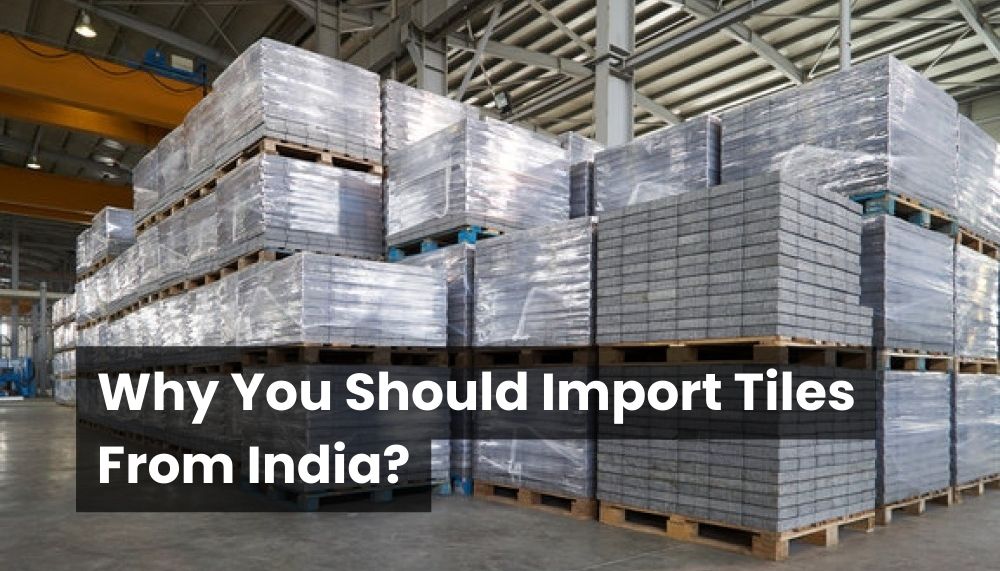
Tiles travel long distances before reaching the site. Poor packaging increases the risk of breakage during transportation.
Even small damage percentages become costly during large orders because replacements take time and delay installation schedules.
This is why experienced buyers also evaluate:
- Packaging quality
- Container loading efficiency
- Breakage protection
- Export handling standards
The supplier’s operational process matters just as much as the product itself.
Can the Same Tile Still Be Available Months Later?
Many projects continue for months or even years. Buyers need confidence that the same product will remain available later.
If a supplier cannot maintain stable production, future replacements or expansion orders become difficult.
This creates unnecessary complications, especially for developers and distributors who depend on continuity.
Reliable buyers therefore look for long-term supply capability instead of short-term pricing advantages.
Fast Replies and Smooth Deliveries Matter More Than People Think
One of the biggest frustrations in international sourcing is uncertainty. Late updates, unclear shipment timelines, or incomplete documentation can slow down entire projects.
This is why professional buyers value suppliers who communicate clearly and manage logistics properly.
A supplier who solves problems quickly often becomes more valuable than one who simply offers the lowest quote.
Price-Driven Buying vs Smart Tile Procurement
| Price-Focused Buyer | Smart Tile Buyer |
| Compares only quotations | Evaluates total project value |
| Focuses on initial cost | Considers long-term performance |
| May overlook consistency | Checks batch-to-batch uniformity |
| Ignores packaging quality | Reviews packaging and shipping standards |
| Chooses lowest bidder | Prioritizes reliable supply |
| Reacts to problems later | Identifies risks before ordering |
| Short-term savings | Long-term cost efficiency |
Smart Buyers Don’t Shop for Tiles the Way Beginners Do
The intelligent buyer knows that finding a supplier is more than just about buying from him/her. The idea here is not to purchase cheaper products. Rather, it involves avoiding future trouble.
This difference in perspective makes the entire decision-making process quite different.
From the question “Whose products are the cheapest?”, we now go to the question “Whose products will cause the least trouble?”
It also explains why importers and wholesalers base their decision on other factors besides price when evaluating a company like Sunwin Ceramica.
And this is because predictability can be more valuable in mass sourcing than a few extra bucks saved.
Conclusion
Comparing costs of tiles is not hard. The latter involves a bit of critical thinking, and most of the time, it helps avoid costly mistakes in the future.
A good buyer always thinks past the cost estimate. He considers the consistency, longevity, logistics, packaging, and dependability of his source prior to making any purchase decisions, as correcting mistakes after laying down the tiles will prove to be more costly.
Using reputable suppliers such as Sunwin Ceramica can help buyers think long-term.

Tile & Sanitaryware Manufacturer
Sunwin Ceramic is a renowned manufacturer of tiles and sanitaryware, recognized for its high-quality products & innovative designs. With a strong presence in the industry, we established ourselves as a leading brand, offering a wide range of ceramic & porcelain tiles and sanitaryware solutions.