


Buyers typically only see the end result. Tiles come in, folks unload them, and then they get installed. Easy enough, but here's the thing: those tiles undergo a lengthy process that few ever consider.
And let's be real, that process is pretty darn important.
Cheaper tiles often look good but might not be worth it. The manufacturing, inspection, packing, storing, and shipping all play key roles in their quality. Even perfect tiles can end up damaged during transport.
Understanding the export process is important for making smart choices, which really matters for large projects that need reliable and consistent materials.
What Happens Before Tiles Reach the Customer?
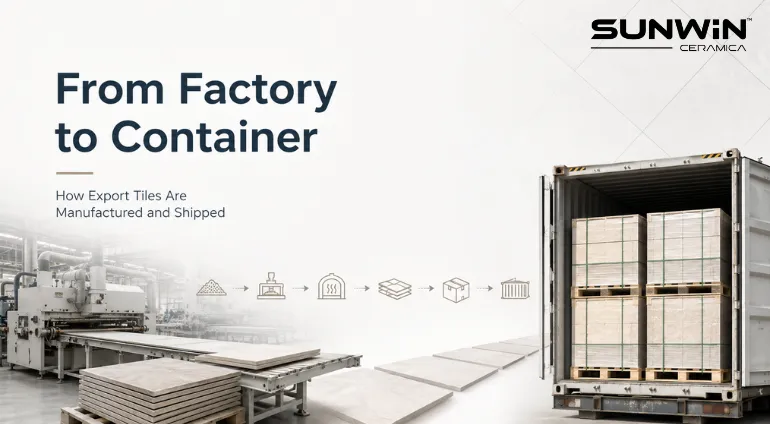
Before tiles arrive at a project site, they go through multiple stages including raw material preparation, pressing, firing, finishing, quality inspection, grading, packaging, and container loading. Each stage influences the final quality, consistency, and reliability of the shipment.
Where Tile Quality Is Actually Decided
Tiles see lots of steps before hitting store shelves. They're made, checked, sorted, packed, and prepared for shipping too. So here's the deal on what actually happens out of sight.
The First Mix Decides Everything Later
Tiles are made using natural materials like clay, silica, minerals, and other compounds. These materials are carefully measured and mixed to create the right base composition.
This stage sounds simple, but it’s extremely important. Even a slight variation in the raw material mix can affect:
- Tile strength
- Water absorption
- Surface finish
- Final shade after firing
This is why experienced manufacturers pay close attention to consistency right from the beginning.
How Pressure Shapes More Than Just the Tile
Once the material is prepared, it is pressed into tile shapes using high-pressure machines.
This stage determines:
- Thickness accuracy
- Surface flatness
- Structural strength
If the pressure is inconsistent, the tile may develop size variation or weakness later. For large export orders, maintaining identical dimensions across thousands of tiles becomes a major challenge.
One Kiln Shift Can Change the Entire Batch
After shaping, tiles move into kilns where they are fired at very high temperatures. This is one of the most sensitive stages in tile manufacturing.
Small changes in:
- Temperature
- Firing time
- Placement inside the kiln
It can affect the final appearance of the tile.
This is often where shade variation begins. Two tiles with the same design may look slightly different if firing conditions shift even a little. That’s why quality manufacturers constantly monitor kiln conditions during production.
The Stage Where Design Meets Risk
Once fired, tiles may go through glazing, polishing, matte finishing, or digital printing depending on the design.
This is where tiles gain their final visual appearance. However, this stage also introduces another challenge: consistency.
The finish must remain uniform across:
- Different production batches
- Large export quantities
- Repeat orders over time
Otherwise, projects can end up with visible shade or texture differences after installation.
The Final Inspection Before Things Go Wrong
Before tiles are packed, they are inspected and sorted.
This process usually includes checking:
- Tile dimensions
- Surface quality
- Shade consistency
- Edge finishing
- Cracks or defects
Tiles are then grouped according to batch and shade to reduce variation during installation.
This step is especially important in export projects because replacement later becomes expensive and time-consuming.
Grading and Calibration Help Maintain Consistency
After inspection, tiles are often sorted according to shade, calibre (size), and quality grade. This process helps ensure that tiles used in the same installation have a consistent appearance and fit together properly.
For large commercial or export projects, proper grading reduces the risk of visible variation and simplifies installation.
Why Packaging Matters More Than Most Buyers Realise
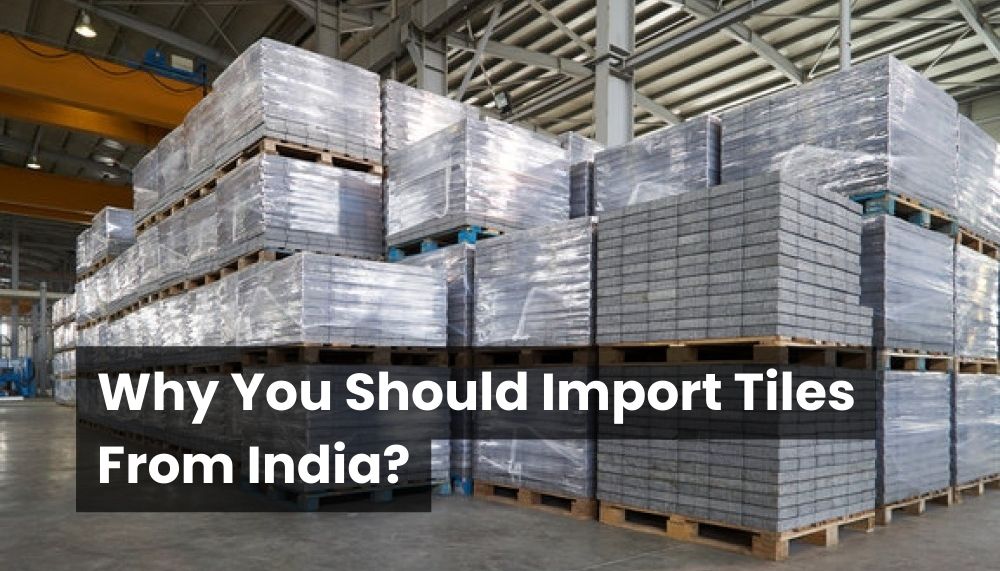
When tiles are approved, they head to packaging. Many folks undervalue this step, but it's super crucial since tiles go through warehouses, trucks, ports, and shipping containers.
If not packaged well, they could get broken. Good export boxes protect against edge damage, corner breaks, moisture, and movement. That's why seasoned exporters pay close attention to packing and handling standards.
What Happens Inside the Container Matters Too
Loading tiles is hard because they're both heavy and fragile. It's more than just shoving things into containers.
You need to carefully balance weights, put pallets correctly, and protect stacks with cushions and moisture control to stop bumps. Otherwise,tiles get damaged even before leaving the port. This is where pros step in, they stop this from happening.
These experts don't just focus on making good tiles; they make sure the packing and shipping are perfect too. What good are the best tiles if they arrive all broken?
The Difference Between a Good Tile and a Reliable Shipment
Tile production is way more involved than many buyers think. From getting raw materials to kiln firing, packing, and loading shipping containers, each step counts.
It's not just about how a tile looks on the sample board. Quality relies on consistent manufacturing, inspection, packing, and delivery too. Grasping this is key for importers, distributors, and developers, as it helps them dodge issues later on.
Plus, working with a seasoned supplier like Sunwin Ceramica makes you more confident in both the product and the production process. So, you can be sure tiles will work great in actual projects, not just look good in showrooms.
FAQs
How are export tiles manufactured?
Export tiles typically go through raw material preparation, pressing, kiln firing, finishing, quality inspection, grading, packaging, and container loading before shipment.
Why is tile inspection important?
Inspection helps identify defects, maintain dimensional accuracy, and ensure consistency in shade and finish before products are dispatched.
What causes shade variation in tiles?
Differences in firing conditions, raw materials, or production batches can lead to slight shade variations if manufacturing is not carefully controlled.
Why does packaging matter for tile exports?
Proper packaging protects tiles from breakage, moisture, and movement during storage and international transportation.

Tile & Sanitaryware Manufacturer
Sunwin Ceramic is a renowned manufacturer of tiles and sanitaryware, recognized for its high-quality products & innovative designs. With a strong presence in the industry, we established ourselves as a leading brand, offering a wide range of ceramic & porcelain tiles and sanitaryware solutions.