


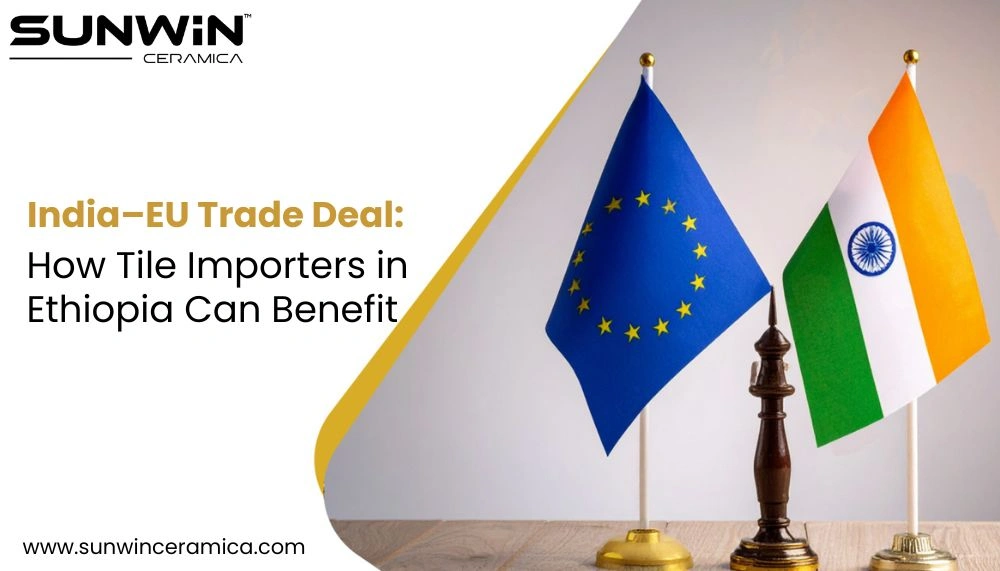
If you import tiles into Ethiopia, you already know this. Global trade decisions don’t stay on paper. They slowly change prices, quality levels, and supplier behavior. So when India and the European Union move closer through a trade deal, it is worth asking a practical question.
How does this actually help my tile import business?
Not through direct tariff cuts. Ethiopia is not part of the EU. But through something equally important. Structural advantages that improve sourcing, reliability, and long-term profitability.
Let’s look at the real benefits.
First, What the India–EU Trade Deal Really Does

The India–EU trade agreement focuses on:
- Reducing trade barriers between India and EU countries
- Encouraging higher manufacturing standards
- Promoting large-scale exports
- Improving supply chain efficiency
Ethiopia is not part of this agreement. So there are no direct duty reductions for Ethiopian importers.
But trade deals like this influence how Indian manufacturers operate globally. And that’s where Ethiopian businesses benefit.
Benefit 1: Better Price Stability for Importers
One of the biggest challenges in tile importing is price fluctuation. Raw materials change. Energy costs rise. Suppliers revise quotes.
The India–EU trade deal encourages Indian manufacturers to increase export volumes and plan production long-term. Higher volumes bring efficiency.
For Ethiopian importers, this results in:
- More predictable pricing
- Easier annual rate negotiations
- Reduced risk of sudden cost jumps
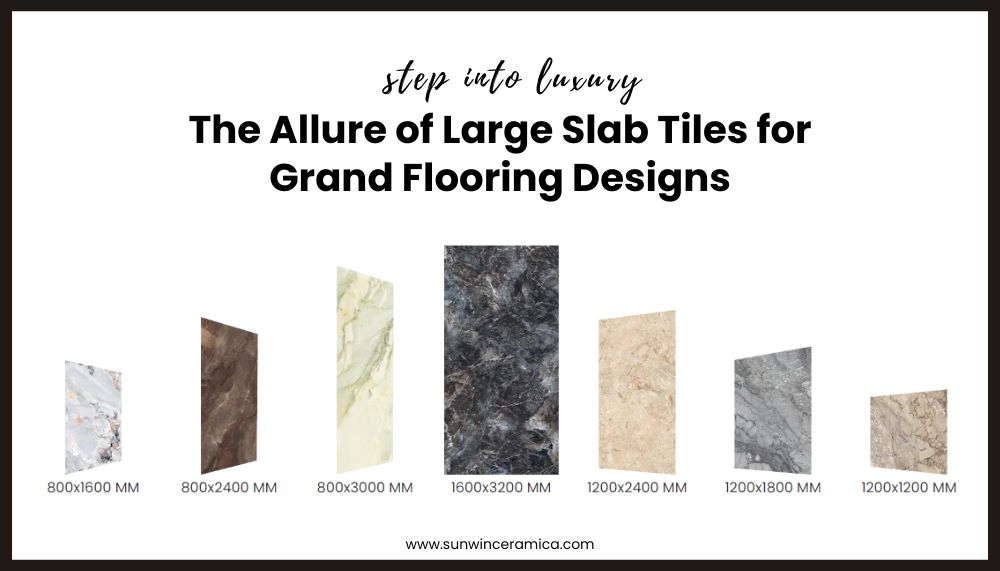
Whether you are importing porcelain tiles, large format slab tiles, or digital full body tiles, pricing stability helps you quote confidently to projects and distributors.
Benefit 2: Improved Manufacturing Discipline Across Exports
Supplying the EU requires strict process control. Manufacturers must follow tighter checks in production, testing, and packaging.
Once these systems are in place, they are applied across all export markets.
As an importer, you benefit from:
- More consistent tile dimensions
- Uniform thickness across batches
- Reduced quality variation between shipments
This consistency is critical when supplying large orders, mixed containers, or repeat projects.
Benefit 3: Reduced Risk in Bulk and Repeat Orders
Many Ethiopian importers supply phased construction projects. The biggest fear is this. Will the next shipment match the previous one?
The scale created by EU-focused exports improves batch continuity.
That means:
- Easier repeat ordering
- Less design or shade variation
- More reliable long-term supply
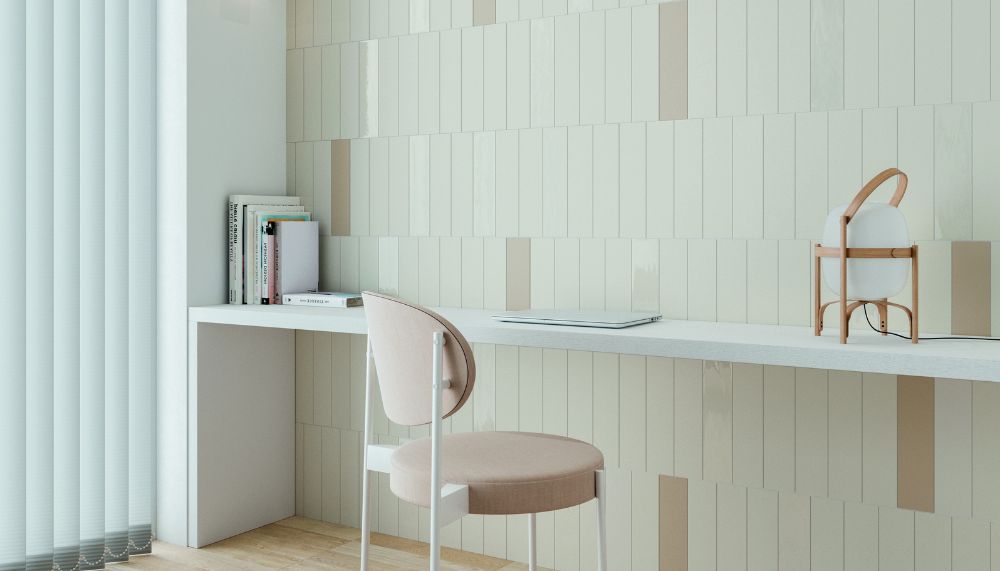
Whether you deal in subway tiles for housing or full body tiles for commercial spaces, this reliability protects your reputation in the market.
Benefit 4: Stronger Export Packaging and Logistics
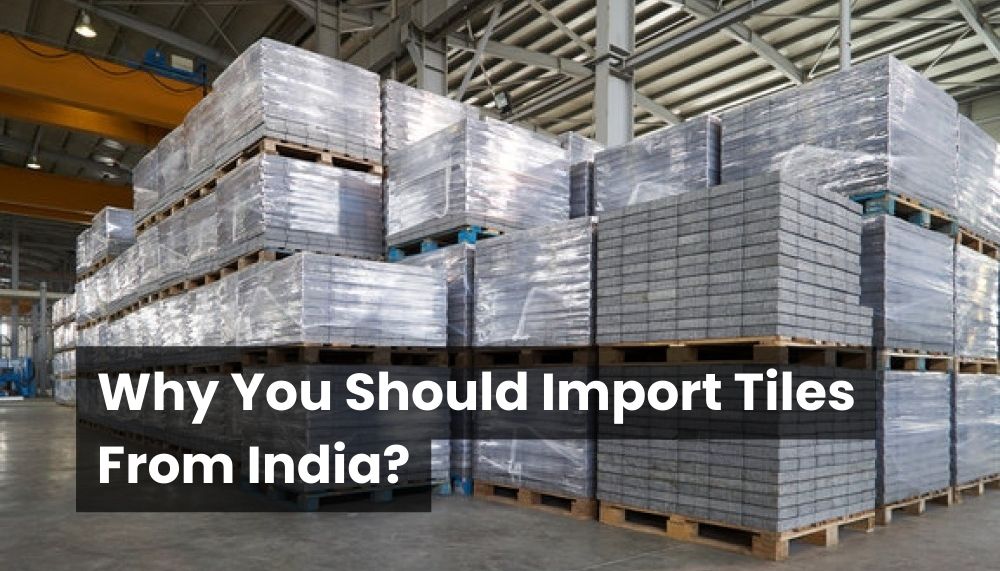
EU exports demand better packing standards. Tiles must survive longer transit, stricter inspections, and higher handling frequency.
As a result, Indian exporters are upgrading:
- Carton strength
- Internal protection
- Pallet loading methods
For Ethiopian importers, this leads to:
- Lower breakage rates
- Fewer claims and disputes
- Reduced losses during shipping
These savings may not show on the invoice, but they directly improve your bottom line.
Benefit 5: Faster and Cleaner Documentation
Errors in documentation cause delays. EU trade does not allow mistakes. This forces exporters to tighten systems.
Importers benefit from:
- Accurate packing lists
- Correct HS code classification
- Clear invoices and shipping documents
Cleaner paperwork means faster customs clearance and fewer port-related costs in Ethiopia.
Benefit 6: Access to Globally Relevant Tile Designs
As Indian manufacturers align with European demand, they focus more on:
- Modern formats
- Surface consistency
- Market-ready designs
These designs are not limited to Europe. They are offered to other markets as well.
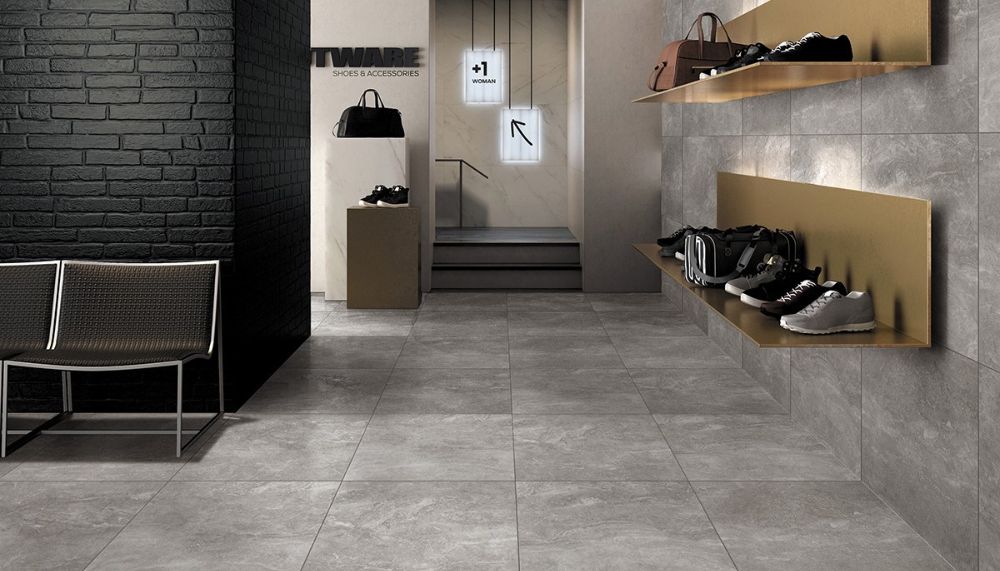
For Ethiopian importers, this means access to tiles that are easier to sell in:
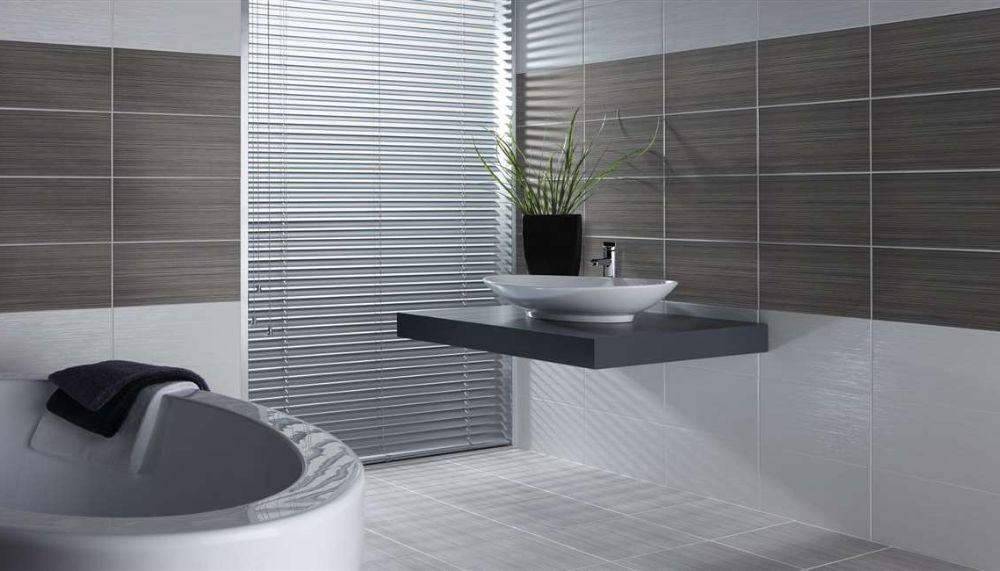
- Urban housing
- Hotels and offices
- Retail and commercial developments
You stay competitive without sourcing from higher-cost regions.
Benefit 7: Stronger Long-Term Supplier Relationships
Trade agreements encourage stability. Manufacturers plan for years, not quarters.
This helps importers build:
- Long-term sourcing partnerships
- Predictable supply cycles
- Better negotiation leverage over time
Instead of switching suppliers frequently, you grow with one.
Why Sunwin Ceramic Fits This Advantage?

Sunwin Ceramic operates with a global export mindset shaped by evolving trade standards. The focus is on consistency, reliability, and importer-friendly processes.
Sunwin Ceramic supports Ethiopian tile importers with:
- Stable export supply
- Consistent production quality
- Export-grade packaging
- Clean documentation
- Support for bulk and repeat orders
This helps importers reduce risk while scaling their business.
Conclusion
The India–EU trade deal does not directly change import duties for Ethiopia. But it reshapes how Indian tile manufacturers operate. Better price stability, stronger quality discipline, reliable supply, and improved export practices all benefit Ethiopian importers.
For businesses focused on long-term growth, these advantages matter.
Explore Sunwin Ceramic or browse our catalogue to source export-ready tiles designed for reliable global trade.

Tile & Sanitaryware Manufacturer
Sunwin Ceramic is a renowned manufacturer of tiles and sanitaryware, recognized for its high-quality products & innovative designs. With a strong presence in the industry, we established ourselves as a leading brand, offering a wide range of ceramic & porcelain tiles and sanitaryware solutions.