





Importing tiles might seem straightforward: choose the design, place the order, handle shipping, and await delivery. But in reality, many importers know the process usually hits snags.
Common issues include delays, damaged goods, shade mismatches, and missing boxes. Often, these problems pop up at the last minute too. The frustrating thing is that lots of these hiccups can be prevented with early planning and care.
That's why seasoned importers now focus on logistics and preparation too. They pay close attention to how the shipment is managed from the beginning.
The Biggest Risk Isn’t at the Port, It Starts at the Factory
Many buyers assume shipment risks begin once the container leaves the factory. In reality, problems often originate much earlier during production, quality checks, packaging, or documentation preparation.
By identifying these risks before dispatch, importers can reduce delays, avoid unnecessary costs, and improve overall supply chain reliability.
What Importers Don’t See Until the Shipment Starts Falling Apart
Most shipment problems do not happen because of one major mistake. They usually build slowly through small gaps in communication, weak packaging, poor planning, or inconsistent manufacturing.
At first, everything looks fine. Samples look good. Pricing feels competitive. Timelines seem manageable. The real problems usually appear after production starts or when the container finally reaches the destination port.
The Real Reasons Tile Shipments Turn Into Costly Headaches
Before understanding how to prevent these issues, it helps to look at where most importers actually run into trouble.
| Well-Managed Shipment | Poorly Managed Shipment |
| Consistent tile batches | Shade variations between cartons |
| Secure packaging and palletization | Higher risk of breakage during transit |
| Complete export documentation | Customs delays and clearance issues |
| Regular production updates | Limited communication and uncertainty |
| On-time dispatch | Unexpected project delays |
| Reliable logistics coordination | Increased storage and replacement costs |
One Shade Difference Can Ruin an Entire Project
One of the biggest complaints in tile imports is inconsistency between batches.
A sample may look perfect during approval, but the actual shipment can arrive with slight shade differences across cartons. In smaller spaces, this may go unnoticed. In large projects, it becomes immediately visible.
This often happens when suppliers fail to maintain proper production consistency or mix batches during packing.
For importers, the result is costly because replacing mismatched tiles after installation is rarely simple.
The Damage Often Starts Long Before the Tiles Arrive
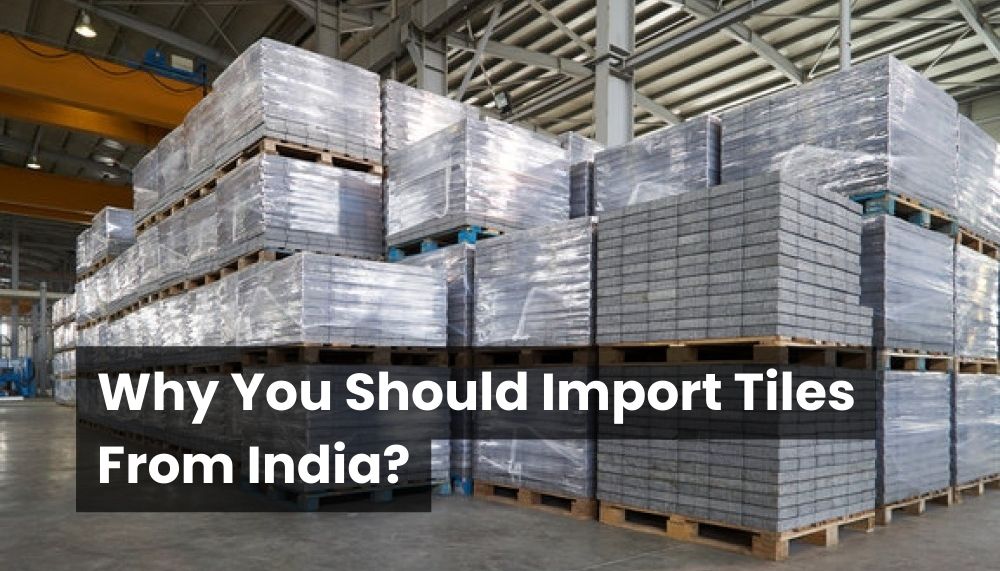
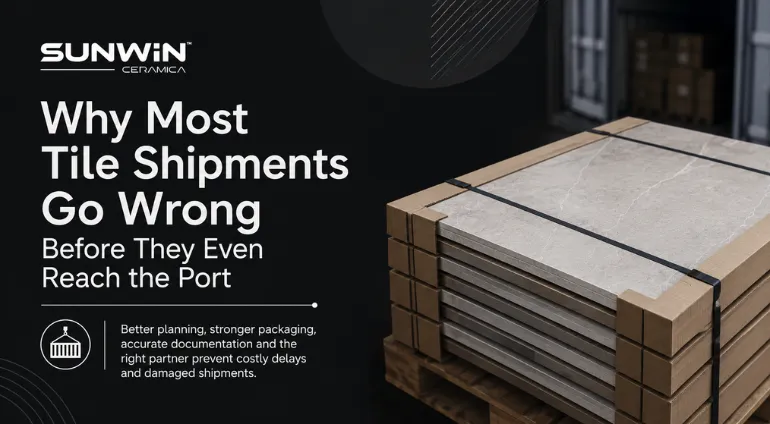
Tiles travel through factories, warehouses, trucks, ports, and containers before reaching the customer. During this journey, improper packaging can quickly become a serious issue.
Weak cartons, poor pallet support, or incorrect stacking increase the risk of:
- Edge damage
- Cracked tiles
- Broken corners
- Moisture exposure
Even a small percentage of breakage can delay installation schedules and create replacement headaches later.
A Late Container Doesn’t Just Delay Tiles, It Delays Everything
In large projects, delays affect much more than delivery dates.
If tile shipments arrive late:
- Contractors may sit idle
- Installation schedules shift
- Labour costs increase
- Other construction activities slow down
Sometimes, the financial impact of delays becomes bigger than the cost of the tiles themselves.
This is why experienced importers often value reliable timelines more than extremely low pricing.
Small Paperwork Errors Can Freeze an Entire Shipment
Outside the factory, another common problem arises.
Incorrect invoices, packing list mistakes, label errors, or missing export docs can really hold up customs clearance. This leaves containers stuck at ports until fixes are sorted out.
Importers then face unplanned storage costs and extra operational stress.
A lot of first-time buyers don't realize how crucial smooth export coordination is until delays start messing with their project timeline.
Silence From Suppliers Is Usually a Bad Sign
One of the most frustrating issues? Just not knowing what’s going on.
Some suppliers become difficult to reach once production starts. Updates become unclear. Shipment timelines keep changing. Buyers are left guessing whether the order is actually on schedule.
Strong communication may sound like a small thing, but during international trade, it becomes extremely important.
Reliable suppliers usually provide:
- Production updates
- Packing confirmation
- Dispatch timelines
- Container tracking support
- Clear documentation status
This transparency helps buyers plan better and avoid surprises later.
Why Smart Importers Look Beyond the Cheapest Quote
Many shipment issues begin because buyers focus only on getting the cheapest quotation. Lower pricing may look attractive initially, but hidden operational weaknesses often appear later through:
- Inconsistent quality
- Packaging failures
- Delayed production
- Poor shipment handling
This is why experienced importers usually evaluate the supplier’s full export process instead of comparing prices alone.
Companies like Sunwin Ceramica are often assessed not just for product design, but also for how consistently they handle production, packing, and export coordination across repeat shipments. Because in international sourcing, predictability matters just as much as pricing.
Conclusion: The Best Shipments Are the Ones That Never Create Problems
Tile shipment problems rarely happen because of one single issue. Most of the time, they result from small gaps across production, packaging, logistics, and communication.
That is why successful importing depends on much more than choosing a good-looking product. It depends on picking suppliers who can handle the whole export process correctly.
Working with experienced companies, like Sunwin Ceramica, boosts importers' confidence in both the tiles and the consistent reliability of each shipment. This helps projects progress smoothly, avoiding unnecessary delays, damage, or pricey surprises.
FAQs
What causes most tile shipment problems?
Common causes include inconsistent production batches, inadequate packaging, documentation errors, shipment delays, and poor communication during the export process.
How can importers reduce the risk of damaged tile shipments?
Working with experienced exporters, verifying packaging standards, and ensuring proper container loading and quality inspections can significantly reduce transit-related issues.
Why is packaging important for porcelain tile exports?
Tiles pass through multiple handling stages before delivery. Strong packaging helps protect against breakage, moisture exposure, and edge damage during transportation.
Should buyers compare more than just price?
Yes. Experienced importers also evaluate consistency, export experience, logistics support, communication, documentation accuracy, and long-term supply reliability.

Tile & Sanitaryware Manufacturer
Sunwin Ceramic is a renowned manufacturer of tiles and sanitaryware, recognized for its high-quality products & innovative designs. With a strong presence in the industry, we established ourselves as a leading brand, offering a wide range of ceramic & porcelain tiles and sanitaryware solutions.